Practical approaches to reduce garden upkeep while maintaining a beautiful outdoor space suited to Irish weather
Creating a low-maintenance garden doesn't mean sacrificing beauty or enjoyment. Instead, it means making thoughtful choices about plants, design, and materials that reduce the amount of time and effort required for upkeep. For homeowners with limited time or physical capability, a well-planned low-maintenance garden can be deeply rewarding.
The key is understanding your garden's conditions—sunlight, soil type, wind exposure, and drainage—and selecting plants and approaches that thrive in those conditions rather than fighting against them. Irish gardens benefit from generous rainfall, which reduces watering needs, but also require careful attention to drainage and plant selection.
This guide covers practical strategies for designing and maintaining a garden that requires less work while providing lasting enjoyment and visual appeal.
The foundation of a low-maintenance garden is selecting plants that naturally thrive in your local conditions. These species are hardy, resilient, and require minimal feeding, pruning, or special care once established:
Perennials return year after year without replanting, saving money and effort. Astilbe thrives in shade and moist soil, offering feathery foliage and graceful plumes. Heuchera provides year-round colour with minimal attention. Ferns suit shaded areas and add texture without demanding regular maintenance. Ornamental grasses like miscanthus and festuca create movement and structure with just annual cutting back. Sedum and other succulents tolerate dry conditions and poor soil, requiring almost no feeding.
Well-chosen shrubs form the backbone of a low-maintenance garden. Hydrangea is reliable and forgiving, flowering reliably with basic pruning. Viburnum provides year-round structure, with some varieties offering fragrant flowers and autumn colour. Skimmia suits shade and offers red berries for winter interest. Euonymus is tough and adaptable, growing in most conditions. Mahonia combines architectural foliage with fragrant yellow flowers. Most of these shrubs require only annual pruning rather than constant shaping.
Instead of weeding large areas, plant groundcovers to suppress weeds naturally. Creeping thyme tolerates foot traffic and poor soil while offering delicate flowers. Ajuga spreads vigorously in shade, requiring virtually no maintenance. Lamium provides colour in difficult spots under trees. Sedums fill gaps and add textural interest. These plants eliminate or greatly reduce the need for hand weeding in their zones.
Native Irish plants are adapted to local climate, soil, and rainfall patterns, making them inherently easier to grow. Native shrubs like gorse and hawthorn require no coddling. Native perennials like foxglove and wood anemone establish easily. Using natives also supports local pollinators and wildlife. Check with local nurseries for regionally appropriate native species.
Bulbs are remarkably low-maintenance. Plant them in autumn, and they emerge reliably each spring with minimal intervention. Daffodils are particularly hardy and often multiply over time. Alliums add structure and insect interest. Crocus provides early colour. Bluebells naturalise in woodland areas. Most bulbs require no feeding and tolerate poor soil, returning reliably year after year.
Tip: When selecting plants, prioritise those already growing well in local gardens. Visit neighbouring gardens or local parks to see which species thrive without fussing. Your best performing plants are often already visible in your area.
Mulch is one of the most effective tools for reducing garden maintenance. A well-applied mulch layer suppresses weeds, retains soil moisture, moderates soil temperature, and gradually improves soil structure as it breaks down.
Bark chips and shredded bark are widely available and long-lasting. They look natural in woodland and shaded settings. Composted bark breaks down faster but costs less. Peat-free compost adds organic matter while suppressing weeds. Gravel and decorative stones suit contemporary gardens and provide excellent drainage. Cardboard layered beneath other mulches blocks weeds effectively and biodegrades over time. Wood chips from tree surgery work well but can deplete nitrogen as they decompose, so apply a nitrogen-rich fertiliser when using fresh chips.
Apply mulch in a 5 to 8 centimetre layer, keeping it several centimetres away from plant stems and tree trunks to prevent rot. Remove existing weeds and dead plant material before mulching. For new beds, lay cardboard first, overlap edges, then cover with mulch. Reapply or top-dress annually, particularly in spring, as existing mulch breaks down. This ongoing process gradually enriches the soil with organic matter.
You can plant directly through cardboard or weed-suppressing membrane, cutting X-shaped slits for individual plants. This combines the benefits of mulching with immediate planting. Young plants establish quickly through mulch because soil remains consistently moist and free of competing weeds.
Plant-based groundcovers eliminate weeding while adding beauty. Thyme, sedum, and ajuga spread to cover bare soil, preventing weed germination. Moss thrives in damp shade and requires no mowing or feeding. Shady areas beneath trees can be planted with shade-tolerant groundcovers rather than left bare and weedy. This approach takes time to establish but requires virtually no maintenance once mature.
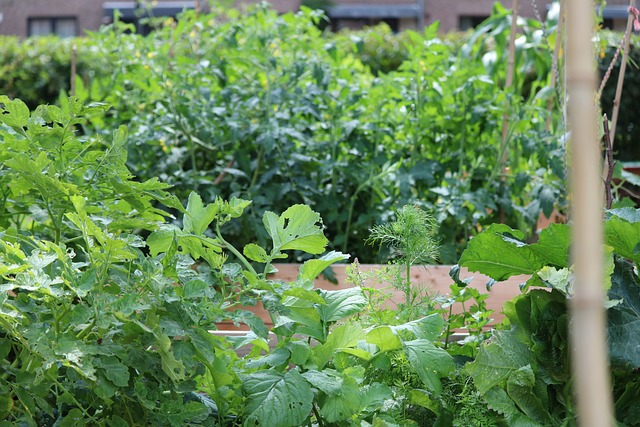
Irish rainfall is generous, making drainage one of the most important considerations for garden success. Poor drainage leads to waterlogged soil, root rot, and plant loss. Understanding and improving drainage saves money on replacing plants and reduces long-term maintenance problems.
Before planting, observe how water behaves after rain. Does it pool in certain areas, or does it drain away quickly? Dig a test hole, fill it with water, and note how long it takes to drain. If it takes more than four hours, drainage is poor. Clay-heavy soil common in many Irish gardens drains slowly. Sandy or silty soil drains too quickly. Ideal soil drains within two to four hours.
Clay soil holds moisture but drains poorly. Improve it by adding organic matter—compost, well-rotted manure, or peat-free soil improver—annually. Over time, this increases porosity and drainage. Create raised beds or slightly mounded planting areas to lift roots above waterlogged zones. Avoid compacting clay soil by not walking on beds unnecessarily. Consider gravel mulch on clay soil to improve surface drainage around plant bases.
Raised beds offer several advantages for low-maintenance gardening. They provide excellent drainage even over heavy clay. You control the soil mix, choosing ideal conditions for plants. They're easier on the back during maintenance and define spaces clearly. They reduce weed ingress from surrounding lawn or borders. A raised bed requires less feeding than ground-level beds because you start with good quality soil mix.
For persistently waterlogged areas, add a simple French drain. Dig a shallow trench slightly sloping away from problem areas. Fill the bottom with coarse gravel, then layer finer gravel or pea shingle. Cover with landscape fabric and top soil. This directs water away from planting areas. You can also add a land drain (perforated pipe) for more significant drainage issues, but this requires more effort and cost.
Rather than fighting wet soil, select plants that thrive in it. Astilbe, hostas, and ferns suit moist shade. Marsh marigold and iris thrive in wet areas. Gunnera adds drama in boggy ground. Willow and alder trees establish well in wet soil. Accepting your site's conditions and choosing appropriately reduces frustration and long-term maintenance.
Important: In areas with persistent standing water, consider whether the problem is poor drainage (fixable) or simply a naturally wet site (better managed through plant selection). Some gardens benefit from water features or bog gardens rather than fighting their nature.
While Irish rainfall handles most watering needs, strategic water management during dry spells reduces plant stress and maintenance problems. Automated systems save time and deliver water more efficiently than hand watering.
Drip systems and soaker hoses deliver water directly to plant roots rather than wetting foliage. This reduces disease, minimises water waste through evaporation, and saves time. Drip systems are particularly valuable for vegetable gardens, raised beds, and container plantings. Many connect to simple battery-operated timers, running early morning or evening without your presence. Installation is straightforward, with kits available at garden centres.
Well-applied mulch reduces watering needs significantly by preventing soil moisture loss through evaporation. A 5 to 8 centimetre layer can cut watering requirements in half. Mulch also moderates soil temperature, reducing plant stress during heat. In Irish gardens with regular rainfall, good mulching often means supplementary watering is rarely needed.
Collect rainwater in butts connected to guttering. This free, chlorine-free water is ideal for plants and reduces reliance on mains water. A 200-litre butt fills quickly during Irish rainfall. Position multiple butts for larger gardens. In summer, collected rainwater provides supplementary watering during occasional dry spells without cost or environmental impact.
Water deeply but less frequently, encouraging deep root growth that makes plants more drought-tolerant. Early morning or evening watering reduces evaporation loss. Water at soil level rather than overhead to reduce fungal disease. During establishment (first two seasons), regular watering is important. Once established, most hardy plants survive on rainfall alone in Irish gardens.
Strategic use of hardscaping—paving, gravel, decking, and other non-living elements—can significantly reduce garden maintenance. These elements define spaces, improve function, and eliminate areas that would otherwise require mowing or weeding.
Lawn requires regular mowing, feeding, and weed control. Reducing lawn area with paving, gravel, or planted beds cuts maintenance substantially. Consider replacing portions of underused lawn with hardscaping or planting zones. Formal paving near the house creates clear transitions. Gravel paths through planted areas provide access while being easy to maintain. Even modest lawn reduction saves time and effort.
Paved areas create functional spaces for seating and movement with zero maintenance. Porcelain or natural stone develops weathered patina but requires no upkeep. Decking provides warmth and visual interest, though it requires occasional cleaning and treatment depending on material. Raised decking improves access for those with mobility concerns. Permeable paving allows rainwater drainage while remaining maintenance-free.
Gravel is low-cost, quick to install, and requires minimal maintenance. It provides good drainage for Mediterranean plants and succulents. Gravel suits modern aesthetic gardens and cottage-style plantings alike. Contain gravel with edging to prevent spreading onto surrounding areas. Lay landscape fabric beneath to reduce weeding. Gravel paths stay relatively weed-free and require only occasional raking to maintain appearance.
Defined beds with clear edging reduce weeding at borders and make beds feel intentional. Simple treatments include metal edging, timber boards, stone, or slightly mounded soil. Clear edging prevents lawn encroaching into planting beds and reduces string trimming time. Well-defined beds are easier to mulch and maintain systematically.
Arbours, pergolas, and trellises create focal points and vertical planting opportunities while requiring minimal maintenance once established. These elements add interest and can support climbing plants, reducing the need for complicated ground-level plantings. Simple structures made from durable materials age gracefully and require little ongoing care.
Even low-maintenance gardens benefit from a simple annual routine. These tasks take modest time but keep your garden healthy and looking good:
Tidy borders and remove winter debris. Apply fresh mulch to established beds. Prune shrubs that have finished flowering. Plant new perennials and groundcovers. Remove any winter-damaged plant material. This is also the time to add new mulch layer on top of existing mulch.
Deadhead flowering plants to encourage continued blooms. Remove weeds while soil is moist after rain, making the job easier. Water during exceptional dry spells. Let some areas grow wild or semi-wild for wildlife benefit. Enjoy your garden—observation during summer helps identify what's working well and what might change.
Cut back perennials and ornamental grasses in late autumn. Plant spring bulbs. Collect fallen leaves for composting or use as mulch. Check drainage and gutters before heavy rain season. Feed shrubs with potassium-rich fertiliser to harden them for winter. Remove only truly dead plant material, leaving some structure for wildlife.
Winter is relatively quiet but valuable for planning. Check tree ties and supports after storms. Tidy only as necessary. Some winter-flowering plants and grasses provide winter interest. Plan any changes or improvements. This is good time for structural pruning of deciduous shrubs during dormancy. Avoid stepping on borders when soil is waterlogged.
These fundamental approaches underpin successful low-maintenance gardens:
Don't fight your site. If you have deep shade, choose shade-loving plants rather than struggling to grow sun-lovers. If soil is heavy clay, select plants that thrive in clay. If an area is wet, embrace plants that enjoy moisture. This single principle eliminates most garden frustration and maintenance problems.
Consistent mulching is the foundation of low-maintenance gardening. It suppresses weeds, retains moisture, enriches soil over time, and moderates temperature. Make mulching an annual spring habit, and maintenance work drops dramatically.
Lawn is among the most demanding garden elements. Every square metre of lawn you replace with hard landscaping, planting, or groundcover reduces ongoing work proportionally. Strategic lawn reduction is one of the most effective maintenance-reduction techniques.
Native and hardy plants adapted to Irish conditions outperform tender subjects that need constant care. Invest in reliable plants that establish easily and survive without fussing. The initial cost is often lower, and long-term satisfaction is higher.
Low-maintenance gardens rarely look manicured, and that's fine. A slightly wild, naturalistic appearance often looks better than a struggling attempt at formality. Embrace the garden's evolution and your plants' natural growth patterns.
Thoughtful initial design and preparation pay dividends for years. Spend time understanding your site before planting. Good drainage, adequate mulch, and appropriate plant choice at the start prevent years of corrective work.
Whether you're starting from scratch or modifying an existing garden, the principles in this guide will help you build an outdoor space that requires less work while providing lasting enjoyment. Small changes—adding mulch, replacing underperforming plants, or reducing lawn area—often make significant differences.
If you'd like guidance specific to your garden situation, we're happy to discuss your space and help identify the best low-maintenance approaches for your home. Contact us with questions or requests for advice.